i Short answer
Review exactly what changed, assess whether it affects you negatively, and decide deliberately whether to continue, adjust, or switch brokers.
📋 ON THIS PAGE
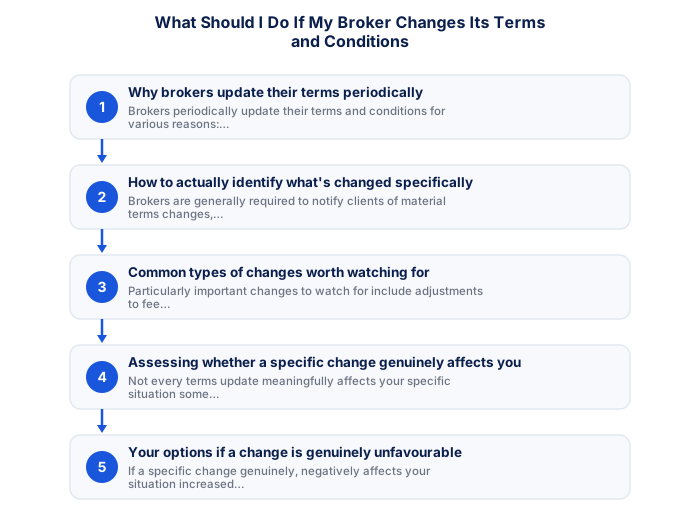
1. Why brokers update their terms periodically
Brokers periodically update their terms and conditions for various reasons: regulatory requirement changes and evolving compliance obligations; business model adjustments, including fee structure changes; or platform and product updates requiring corresponding terms adjustments. This is a normal, ongoing aspect of any broker relationship, not necessarily a sign of any specific concern.
It's worth understanding this as a genuinely normal, ongoing part of any regulated broker relationship, discussed elsewhere on this site regarding broker mergers and rebranding, terms updates happen for many legitimate reasons unrelated to anything concerning about the broker itself.
See also: How Do EFT Deposits Work for South African Trading Accoun
See also: Reinvest Trading Profits or Withdraw Regularly?
See also: Is Any Currency Pegged to the Rand?
2. How to actually identify what's changed specifically
Brokers are generally required to notify clients of material terms changes, typically through email or platform notification, sometimes including a summary or highlighted version specifically showing what's changed from the previous terms. Reading this notification carefully, rather than dismissing it as routine administrative communication, ensures you understand exactly what's being modified.
It's worth reading any change notification carefully rather than dismissing it as routine, some brokers helpfully highlight specific changes directly, worth checking whether yours does before assuming you need to compare full documents manually.
- Search FSP name or number at fsca.co.za
- Confirm licence is current and not suspended
- Check scope covers forex and CFD activity
- Confirm client funds in segregated accounts
- Read FSCA enforcement actions history
- Test customer support before depositing
- Client funds legally segregated
- FSCA complaints process available
- SA consumer protections apply
- ZAR account, no FX conversion costs
- Some offshore brokers offer wider instruments
- Regulatory overhead passed on in spreads
- Stricter position limits for retail clients
- FICA verification required before trading
- Client funds segregated
- Formal FSCA complaints process
- SA consumer protections apply
- ZAR account available
- Fund safety not guaranteed
- Overseas disputes only
- SA law does not apply
- Currency conversion costs
3. Common types of changes worth watching for
Particularly important changes to watch for include adjustments to fee structures or spread policies; changes to leverage limits or margin requirements; modifications to withdrawal processes or timelines; or changes to dispute resolution or complaints procedures relevant to FSCA oversight.
It's worth paying particular attention to fee-related and margin-related changes specifically, discussed elsewhere on this site regarding checking a broker's terms and conditions generally, since these categories most directly affect your ongoing trading costs and risk exposure.
4. Assessing whether a specific change genuinely affects you
Not every terms update meaningfully affects your specific situation, some changes might address account types or features you don't use, or instrument categories outside your specific trading focus. Honestly assessing whether a specific change genuinely affects your particular trading activity, rather than assuming every update requires action, helps you focus attention where it genuinely matters.
It's worth reviewing this specifically against your own actual trading pattern and instrument focus, a change to conditions for an instrument or account type you don't use genuinely doesn't warrant the same concern as one affecting your core trading activity.
| Protection | FSCA Regulated | Offshore Unregulated |
|---|---|---|
| Client fund segregation | ✓ Required | Varies by broker |
| SA complaints process | ✓ Available | ✗ Not available |
| SA consumer law applies | ✓ Yes | ✗ No |
| ZAR account available | ✓ Typically | Often USD/EUR only |
5. Your options if a change is genuinely unfavourable
If a specific change genuinely, negatively affects your situation, increased fees relevant to your trading style, or changed leverage limits affecting your position sizing approach, your options include accepting the change and adjusting your trading approach accordingly, raising a direct query or concern with your broker's support team, or considering switching to a different broker if the change is significant enough to warrant this more substantial step.
It's worth researching alternative brokers proactively if a genuinely significant, unfavourable change occurs, discussed elsewhere on this site regarding switching brokers without losing your trading history, rather than accepting an unfavourable change purely out of inertia.
6. Staying informed about future changes proactively
Maintaining current contact details with your broker ensures you actually receive terms change notifications promptly, and periodically reviewing your broker's current terms directly, even without a specific notification prompting this, helps maintain ongoing awareness rather than relying solely on the broker's own notification process.
A genuinely well-regulated broker will also keep client funds in segregated accounts, separate from the company's own operating capital, so your deposited funds aren't exposed if the broker itself runs into financial difficulty.
When a broker changes its terms, read carefully to identify what specifically changed. If the change materially and unacceptably affects you, withdrawing your funds and closing the account is a legitimate option.
★ Why It Matters
Worth doing as a habit: save a dated copy of your broker's terms and conditions periodically, not just when you're notified of a change. This gives you your own independent record to compare against if a future dispute ever turns on exactly what the terms said at a specific point in time.
✕ Common mistakes
- Not noticing or reading update notifications about changed terms. Missing a meaningful change can leave you operating under different conditions unknowingly.
- Assuming all changes are minor and don't warrant a careful review. Some changes meaningfully affect fees, policies, or your rights.
- Not keeping a dated copy of previous terms for comparison. This makes it harder to identify exactly what changed and when.
- Reacting emotionally to a change without first assessing its actual practical impact. A calm, deliberate assessment supports a better decision about whether to stay or switch.
Key Takeaways
- Review what specifically changed, assess whether it affects you negatively, and decide whether to continue, adjust your approach, or consider switching brokers.
- Review exactly what changed, assess whether it affects you negatively, and decide deliberately whether to continue, adjust, or switch brokers.
- Why brokers update their terms periodically.
- How to actually identify what's changed specifically.
- Common types of changes worth watching for.
Frequently asked follow-up questions
Can I refuse to accept updated terms and conditions?
Continuing to use your account generally implies acceptance of updated terms. If you genuinely disagree with a significant change, closing your account and potentially switching brokers is the more direct option.
How often do brokers typically update their terms?
This varies by broker and circumstances. Some updates happen relatively infrequently, while others occur more regularly in response to evolving regulatory or business considerations.
Should I keep records of previous terms versions?
This can be useful for your own reference, particularly if a dispute arises about terms that applied at a specific earlier point in your relationship with the broker.
