i Short answer
Intensive bootcamps can accelerate foundational exposure to concepts over a compressed timeframe.
They cannot substitute for the extended practice period genuine skill development requires.
📋 ON THIS PAGE
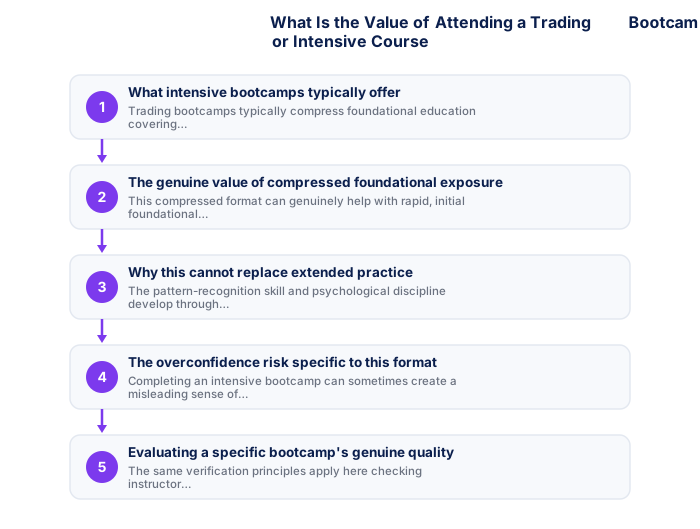
1. What intensive bootcamps typically offer
Trading bootcamps typically compress foundational education, covering technical analysis basics, risk management principles, and sometimes platform-specific training, into an intensive, condensed format spanning a few days or a single extended weekend, rather than the more gradual pacing other educational formats might offer.
It's worth checking a specific bootcamp's actual curriculum in detail before committing, rather than assuming based on marketing description alone, understanding precisely what will be covered helps you judge whether the compressed format genuinely suits your current learning stage.
2. The genuine value of compressed foundational exposure
This compressed format can genuinely help with rapid, initial foundational exposure to many concepts in a structured, organised sequence, potentially saving time compared to independently researching and organising this same foundational content from scattered sources.
See also: How Do I Evaluate Trading Courses With Certificates?
See also: How Do I Compare FSCA-Regulated Brokers Properly?
See also: How Do I Build a Personal Trading Curriculum for Myself?
It's worth appreciating this format's genuine strength specifically for building initial vocabulary and conceptual awareness, discussed elsewhere on this site regarding realistic learning timelines, a bootcamp can efficiently introduce you to concepts you'd otherwise piece together more slowly through scattered, self-directed reading.
- FSCA-regulated broker verified at fsca.co.za
- Demo account tested for minimum 60 days
- Trading plan written: entry, exits, position sizing
- Risk per trade defined (1-2% of account)
- Backup internet connection tested for load shedding
- Tax implications understood
3. Why this can't replace extended practice
Pattern-recognition skill and psychological discipline develop through extended, repeated practice over months, which no intensive few-day format, however well-structured, can genuinely compress or substitute for.
It's worth being realistic about this genuine limitation, no amount of concentrated, intensive teaching substitutes for the accumulated, lived experience discussed throughout this site regarding skill development, pattern recognition and disciplined execution specifically require extended practice a bootcamp's format simply can't compress.
4. The overconfidence risk specific to this format
Completing an intensive bootcamp can sometimes create a misleading sense of genuine readiness, given the concentrated exposure to many concepts in a short period, potentially leading to live trading before extended practice has genuinely developed the underlying skill this exposure alone doesn't provide.
It's worth being genuinely mindful of this risk following any intensive learning experience, discussed elsewhere on this site regarding overconfidence bias, the concentrated feeling of having learned a great deal quickly can create a false sense of readiness that a more gradual, extended learning process tends to avoid.
| Item | Detail |
|---|---|
| Regulator | FSCA, fsca.co.za |
| Exchange control | SARB, resbank.co.za |
| Tax authority | SARS, sars.gov.za |
| JSE hours | 09:00-17:00 SAST Mon-Fri |
| Best forex session | 15:00-17:00 SAST |
| CGT annual exclusion | R50,000 (individuals) |
5. Evaluating a specific bootcamp's genuine quality
The same verification principles apply here as with any course: checking instructor credibility, watching for guaranteed-result red flags, and seeking independent reviews beyond the bootcamp's own marketing materials.
It's worth applying the same evaluation criteria discussed throughout this site regarding trading educators generally, verifiable instructor background, balanced risk discussion, substantive rather than hype-driven content, regardless of the specific compressed format this particular offering uses.
6. A balanced view on where this fits in your learning journey
A balanced view treats a genuinely well-structured bootcamp as a useful starting accelerator for foundational concept exposure, while explicitly planning for extended demo practice and gradual skill development as the genuinely necessary subsequent phase, rather than expecting the bootcamp itself to produce trading-ready competence on its own.
The quality of trading education available to South African traders has improved substantially with the growth of FSCA-regulated broker educational content and global online resources. The critical evaluation skill, separating genuinely educational content from thinly disguised marketing for signals, courses, or investment schemes, is as important as the content itself. South African traders should additionally prioritise educational resources that address SA-specific topics including ZAR trading dynamics, SARB policy implications, FSCA regulatory requirements, and SARS tax treatment, since virtually all internationally produced trading education was created without these local dimensions in mind.
Retention and skill development require sustained follow-up after attending.
A trading bootcamp or intensive course can provide useful networking and a concentrated learning boost. The limitation is that retention and genuine skill development require sustained practice and review after the event.
★ Why It Matters
Worth checking before booking: ask what happens after the bootcamp ends. Programmes with structured, ongoing follow-up support tend to produce more durable results than pure one-off intensive events with no continuation, the bootcamp format itself is less important than what comes after it.
✕ Common mistakes
- Assuming an intensive format alone guarantees lasting skill development. What happens after the bootcamp ends often matters more than the bootcamp itself.
- Treating bootcamp attendance as equivalent to the extended practice period genuine skill requires. A compressed timeframe accelerates exposure, not necessarily mastery.
- Choosing a bootcamp based on intensity alone rather than its actual structure and follow-through. The format itself matters less than what comes after it.
Key Takeaways
- Intensive bootcamps can accelerate foundational exposure but cannot substitute for the extended practice period genuine skill development discussed elsewhere requires.
- Intensive bootcamps can accelerate foundational exposure to concepts over a compressed timeframe.
- They cannot substitute for the extended practice period genuine skill development requires.
- What intensive bootcamps typically offer.
- The genuine value of compressed foundational exposure.
Frequently asked follow-up questions
Are weekend trading bootcamps generally a scam?
Not inherently, though the same evaluation criteria that apply to course quality generally remain important before attending any specific programme.
Can I skip demo practice if I've attended an intensive bootcamp?
No, extended practice remains necessary regardless of any intensive foundational exposure a bootcamp might provide beforehand.
Is a bootcamp a good starting point for complete beginners?
It can give useful structured foundational exposure, though setting realistic expectations about what follows afterward remains important.
