i Short answer
Watch for disrupted sleep from checking positions at unusual hours, persistent stress carrying into other areas of daily life, and neglected physical activity or self-care.
📋 ON THIS PAGE
- Sleep disruption as an early warning sign
- Persistent preoccupation beyond active trading hours
- Physical health and self-care neglect
- The difference between normal engagement and concerning patterns
- How this connects to broader trading psychology
- Practical steps if you recognise these signs in yourself
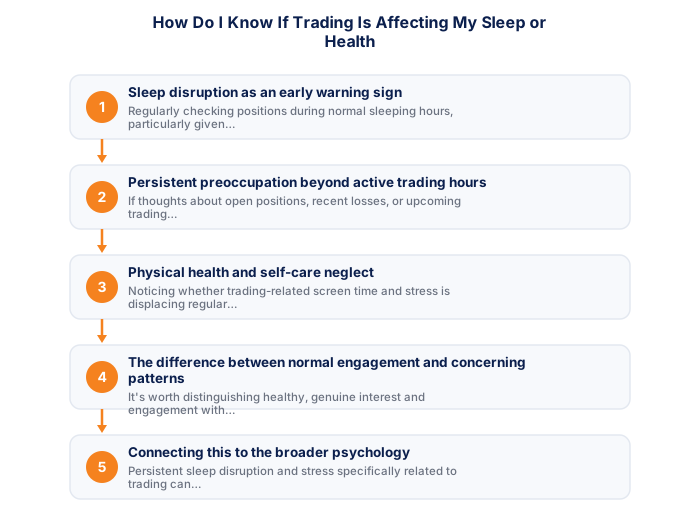
1. Sleep disruption as an early warning sign
Regularly checking positions during normal sleeping hours, or lying awake specifically worrying about open positions, is a genuine early warning sign worth taking seriously rather than dismissing as simply normal trading dedication.
It's worth treating any consistent pattern here as worth addressing directly rather than something to simply push through, sleep is foundational to the disciplined decision-making sound trading actually depends on, meaning trading-related sleep disruption is a genuinely self-defeating pattern worth interrupting early.
2. Persistent preoccupation beyond active trading hours
If thoughts about open positions, recent losses, or upcoming trading decisions persistently intrude into time meant for family, work, or rest, that suggests trading may be occupying a disproportionate, unhealthy share of your overall mental space beyond what a sustainable hobby or activity typically should.
It's worth noticing specifically whether this intrusion happens even when your predetermined stop-loss and take-profit orders are already in place, discussed elsewhere on this site, if genuine structural safeguards are already protecting your positions and you're still preoccupied, that gap between actual risk and felt anxiety is worth examining honestly.
- FSCA-regulated broker verified at fsca.co.za
- Demo account tested for minimum 60 days
- Trading plan written: entry, exits, position sizing
- Risk per trade defined (1-2% of account)
- Backup internet connection tested for load shedding
- Tax implications understood
3. Physical health and self-care neglect
Noticing whether trading-related screen time and stress is displacing regular physical activity, proper meals, or other basic self-care routines you'd normally maintain gives another useful, concrete signal. Trading should generally coexist within a broader healthy lifestyle rather than displacing its other fundamental components.
It's worth checking this specifically against your own baseline rather than a general standard, noticing a genuine, noticeable decline from your own normal habits, skipped meals, reduced exercise, disrupted routines, is more meaningful than comparing yourself to some external benchmark of what self-care should look like.
4. The difference between normal engagement and concerning patterns
It's worth telling healthy, genuine interest and engagement with trading, feeling some natural excitement about a developing setup, occasionally thinking about markets during downtime, apart from the more concerning patterns above, which involve genuine disruption to basic functioning like sleep, relationships, or physical health, rather than simply normal enthusiasm for an engaging pursuit.
It's worth applying this distinction honestly and specifically to your own experience, a useful test is asking whether your engagement with trading feels like genuine interest you can set aside when needed, or whether it feels more like something you're unable to set aside even when you consciously want to.
| Item | Detail |
|---|---|
| Regulator | FSCA, fsca.co.za |
| Exchange control | SARB, resbank.co.za |
| Tax authority | SARS, sars.gov.za |
| JSE hours | 09:00-17:00 SAST Mon-Fri |
| Best forex session | 15:00-17:00 SAST |
| CGT annual exclusion | R50,000 (individuals) |
5. How this connects to broader trading psychology
Persistent sleep disruption and stress specifically related to trading can also degrade the very decision-making quality and discipline essential to sound trading, creating a potentially self-reinforcing cycle where poor wellbeing produces worse trading decisions, which in turn produces more stress.
It's worth recognising this as a genuinely self-reinforcing cycle worth interrupting deliberately, poor sleep degrades decision quality, degraded decisions increase stress and losses, and increased stress further disrupts sleep, breaking this cycle at any point, but especially through addressing the sleep disruption directly, tends to improve the whole pattern.
6. Practical steps if you recognise these signs in yourself
If you recognise these signs in your own experience, considering a deliberate pause or reduction in trading activity, revisiting your position sizing to make sure it genuinely matches your comfortable risk tolerance, and talking honestly with someone you trust, including a healthcare professional if the impact feels significant, are reasonable, proactive responses.
Concerning signs include persistent intrusive thoughts and disrupted sleep.
It's worth distinguishing healthy, genuine interest in trading from persistent intrusive thoughts or disrupted sleep, which are signs worth taking seriously.
★ Why It Matters
A simple but telling check: track your sleep quality for two weeks using a basic phone app, then compare nights following a losing day against nights following a winning or flat day, a noticeable gap is more objective evidence than how you'd subjectively rate your own stress.
✕ Common mistakes
- Estimating sleep impact subjectively rather than tracking it. A simple sleep app comparison across winning and losing days gives more objective evidence.
- Ignoring physical symptoms like persistent tension or fatigue. These often show up before any explicit emotional distress is noticed.
- Continuing a routine that's clearly affecting health without adjustment. Recognising the pattern without changing anything defeats the purpose of noticing it.
- Checking positions during hours meant for sleep. This directly disrupts rest and rarely improves decision quality.
Key Takeaways
- Watch for disrupted sleep from checking positions, persistent stress carrying into daily life, and neglected physical activity as signs trading needs rebalancing.
- Watch for disrupted sleep from checking positions at unusual hours, persistent stress carrying into other areas of daily life, and neglected physical activity or self-care.
- Sleep disruption as an early warning sign.
- Persistent preoccupation beyond active trading hours.
- Physical health and self-care neglect.
Frequently asked follow-up questions
Is it normal to think about trading outside of active trading hours sometimes?
Yes, some natural interest and occasional thought is normal. The concern is specifically persistent, disruptive preoccupation rather than occasional, healthy engagement.
Should I speak to a doctor if trading is affecting my sleep significantly?
If the impact feels significant or persistent, discussing this with a healthcare professional is a reasonable, sensible step, alongside the trading-specific adjustments above.
Can reducing position size alone resolve these wellbeing concerns?
It can help reduce the underlying stress driving some of these patterns, though broader lifestyle and routine adjustments often also play an important complementary role.
