i Short answer
Structuring your own learning path with clear, sequential topics and milestones provides more direction than randomly consuming scattered content.
📋 ON THIS PAGE
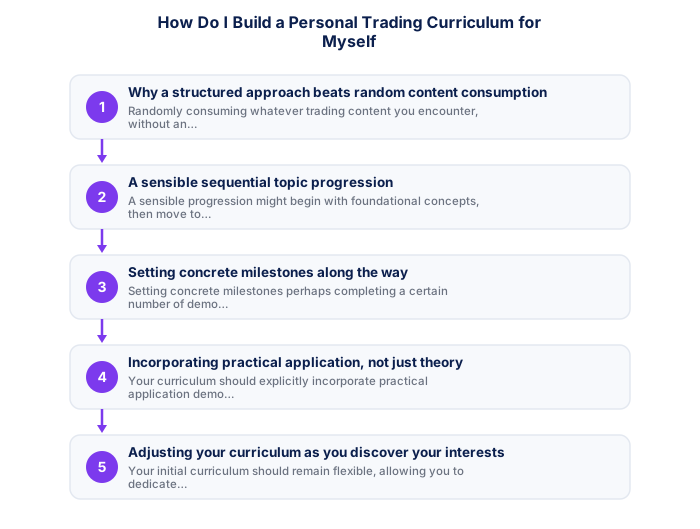
- Why a structured approach beats random content consumption
- A sensible sequential topic progression
- Setting concrete milestones along the way
- Incorporating practical application, not just theory
- Adjusting your curriculum as you discover your interests
- A sample, simple curriculum structure to start from
1. Why a structured approach beats random content consumption
Randomly consuming whatever trading content you encounter, without an underlying structure, often results in fragmented, incomplete understanding compared to following a deliberate, sequential learning path.
It's worth noticing this pattern in your own learning if you've been trading for a while without a structured approach, jumping between topics based on whatever caught your attention that day tends to leave real gaps, foundational concepts skipped in favour of more exciting, advanced-sounding material, that eventually surface as confusion or costly mistakes once live trading exposes them.
2. A sensible sequential topic progression
A sensible progression might begin with foundational concepts, then move to basic technical analysis, risk management, and finally strategy development and psychology, building each layer on the previous one.
It's worth resisting the temptation to skip ahead to strategy and psychology content simply because it feels more immediately exciting than foundational terminology and risk management. Each layer genuinely depends on the one beneath it, strategy decisions made without solid risk management understanding tend to produce exactly the undisciplined outcomes this sequential approach is designed to prevent.
- FSCA-regulated broker verified at fsca.co.za
- Demo account tested for minimum 60 days
- Trading plan written: entry, exits, position sizing
- Risk per trade defined (1-2% of account)
- Backup internet connection tested for load shedding
- Tax implications understood
3. Setting concrete milestones along the way
Setting concrete milestones, perhaps completing a certain number of demo trades, applying a specific concept consistently for a set period, provides clearer progress markers than vague, open-ended learning intentions alone.
It's worth writing these milestones down explicitly, in the same way a written trading plan gives your actual trading more structure than a vague intention, a written curriculum with concrete, checkable milestones gives your learning process the same kind of accountability and clarity.
4. Incorporating practical application, not just theory
Your curriculum should explicitly incorporate practical application, demo trading, backtesting, rather than consisting purely of passive theoretical reading or video consumption.
It's worth pairing each new theoretical concept with immediate, hands-on application on a demo account before moving to the next topic, rather than consuming a large block of theory first and only practising afterward, since applying a concept shortly after learning it tends to build more durable, genuinely internalised understanding than theory and practice separated by significant time.
| Item | Detail |
|---|---|
| Regulator | FSCA, fsca.co.za |
| Exchange control | SARB, resbank.co.za |
| Tax authority | SARS, sars.gov.za |
| JSE hours | 09:00-17:00 SAST Mon-Fri |
| Best forex session | 15:00-17:00 SAST |
| CGT annual exclusion | R50,000 (individuals) |
5. Adjusting your curriculum as you discover your interests
Your initial curriculum should remain flexible, allowing you to dedicate additional depth to areas that genuinely interest you or suit your developing trading style as this becomes clearer through actual practice.
This flexibility is worth treating as a genuine feature of a good curriculum rather than a sign of insufficient discipline or planning, discovering partway through that a specific trading style or instrument genuinely resonates with you, and adjusting your remaining curriculum to deepen that particular area, reflects exactly the kind of responsive, self-aware learning that produces better outcomes than rigid adherence to an initial plan that no longer fits what you've actually learned about your own interests.
6. A sample, simple curriculum structure to start from
A simple starting structure might allocate the first month to foundational concepts and terminology, the second to basic technical analysis and risk management together, and subsequent months to demo trading practice combined with ongoing, more specific topic deep-dives based on your developing interests.
This avoids learning hard lessons through real losses instead.
Building risk management and psychological discipline before strategy avoids learning those lessons through real losses. Strategy works best layered on top of an already-solid foundation.
★ Why It Matters
A sequencing mistake we see often: starting with strategy and indicators before genuinely internalising risk management means early lessons about position sizing get learned the expensive way, through real losses, rather than the cheap way, through deliberate study first.
✕ Common mistakes
- Following a rigid schedule regardless of actual progress. Pacing should reflect demonstrated readiness, not just elapsed time.
- Skipping foundational concepts to get to 'the good part'. Strategy without fundamentals tends to produce shallow understanding.
- Not revisiting earlier lessons as understanding deepens. Concepts often make more sense after some practical experience.
Key Takeaways
- Structuring your own learning path with clear sequential topics and milestones provides more direction than randomly consuming scattered content.
- Structuring your own learning path with clear, sequential topics and milestones provides more direction than randomly consuming scattered content.
- Why a structured approach beats random content consumption.
- A sensible sequential topic progression.
- Setting concrete milestones along the way.
For the recommended order to work through the topics, see the right order to learn trading.
See also: How Do I Evaluate Trading-Related Online Courses With Certificates? and What Is the Value of Paper Trading Competitions?.
Frequently asked follow-up questions
How long should a complete beginner's curriculum typically span?
This varies by individual, though many traders find several months of structured foundational learning genuinely valuable before significant live trading.
Should I follow someone else's published curriculum or build my own entirely from scratch?
Either can work; adapting an existing structured curriculum from a reputable source to your own specific needs can save time compared to building entirely from scratch.
Can I skip topics that seem less relevant to my chosen trading style?
Some topics matter more for certain styles, though maintaining basic foundational knowledge across core areas generally still provides value regardless of your specific eventual focus.
Should I revisit earlier curriculum topics once I've moved past them?
Yes, periodically revisiting foundational concepts as your understanding deepens often reveals additional nuance you may have missed during initial, more basic learning.
Is it normal to feel like my curriculum needs major adjustment partway through?
This is common and reasonable, as your genuine interests and understanding of your own trading style typically clarify considerably through actual practice over time.
