i Short answer
An economic calendar lists scheduled macroeconomic data releases and central bank announcements, with timing and expected market impact, including major events like Non-Farm Payrolls that regularly move currency pairs.
This helps traders anticipate periods of likely elevated volatility in advance.
📋 ON THIS PAGE
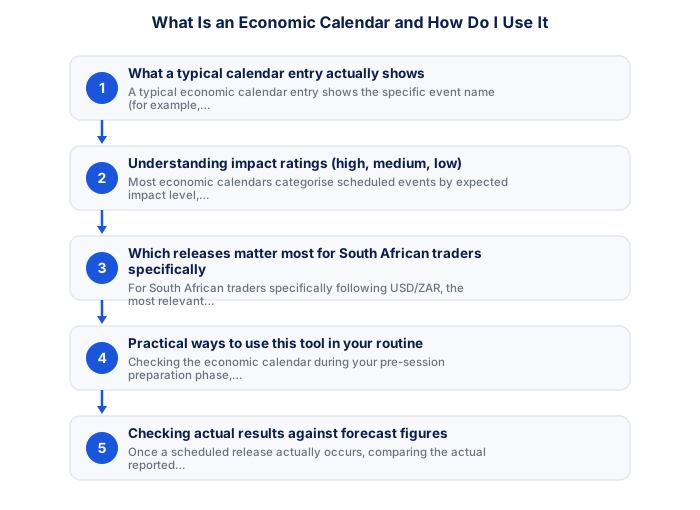
- What a typical calendar entry actually shows
- Understanding impact ratings (high, medium, low)
- Which releases matter most for South African traders specifically
- Practical ways to use this tool in your routine
- Checking actual results against forecast figures
- Where to access a reliable, current economic calendar
1. What a typical calendar entry actually shows
A typical economic calendar entry shows the specific event name (for example, "SARB Interest Rate Decision"), the scheduled date and time, the relevant country or region, a forecast or consensus expectation figure where applicable, and often the previous period's actual result for comparison. Some calendars also display a general impact rating, discussed in detail next, indicating how significantly the market typically reacts to this specific type of release.
It's worth familiarising yourself with every column your specific calendar displays, rather than only glancing at the release name, the forecast and previous figures specifically give you the context needed to judge how significant an actual result turns out to be once released.
| Impact Level | Typical Market Effect |
|---|---|
| High | Significant, often sharp price movement |
| Medium | Moderate, noticeable movement |
| Low | Minimal expected market impact |
2. Understanding impact ratings (high, medium, low)
Most economic calendars categorise scheduled events by expected impact level, commonly using a simple high, medium, or low rating system, or sometimes a numerical or colour-coded scale. High-impact events typically include central bank interest rate decisions, major employment data, and significant inflation releases, exactly the kind of events that can affect spreads, liquidity, and price gaps.
These impact ratings reflect historical, general patterns of market reaction rather than a guarantee of how any specific upcoming release will actually move markets. Even a nominally lower-impact release can occasionally produce significant movement if its actual result substantially surprises market expectations.
- FSCA-regulated broker verified at fsca.co.za
- Demo account tested for minimum 60 days
- Trading plan written: entry, exits, position sizing
- Risk per trade defined (1-2% of account)
- Backup internet connection tested for load shedding
- Tax implications understood
3. Which releases matter most for South African traders specifically
For South African traders following USD/ZAR, the most relevant calendar entries include SARB interest rate decisions and policy statements, South African inflation and GDP data, and major US releases including Federal Reserve decisions and key US employment and inflation data, given the importance of tracking both central banks for this pair.
It's worth building a personal shortlist of the specific releases most relevant to your own traded instruments, rather than trying to track every entry on a typically crowded calendar, discussed elsewhere on this site regarding filtering effectively, a focused, personally relevant list serves you better than complete coverage.
4. Practical ways to use this tool in your routine
Checking the economic calendar during your pre-session preparation phase, specifically for any high-impact events scheduled during your intended trading window, helps inform decisions about whether to trade normally, avoid new positions around specific events, or plan to capitalise on the anticipated volatility, depending on your particular strategy and risk tolerance.
It's worth building this calendar check into a specific, consistent point in your daily or weekly routine, discussed elsewhere on this site regarding trading routines generally, rather than checking inconsistently, a predictable habit ensures you never miss a genuinely relevant upcoming release.
| Item | Detail |
|---|---|
| Regulator | FSCA, fsca.co.za |
| Exchange control | SARB, resbank.co.za |
| Tax authority | SARS, sars.gov.za |
| JSE hours | 09:00-17:00 SAST Mon-Fri |
| Best forex session | 15:00-17:00 SAST |
| CGT annual exclusion | R50,000 (individuals) |
5. Checking actual results against forecast figures
Once a scheduled release actually occurs, comparing the actual reported figure against the calendar's forecast figure helps you quickly assess whether the result represents a genuine surprise (likely producing more significant market movement) or a result roughly matching expectations (potentially producing more muted movement). This quick comparison, performed immediately as results are released, supports faster, more informed reaction to breaking economic news.
It's worth returning to check this comparison after a release, not just before, seeing how the actual figure compared to what was expected, and how the market subsequently reacted, builds your practical understanding of how this expectations-versus-actual dynamic genuinely plays out.
6. Where to access a reliable, current economic calendar
Most trading platforms include a built-in economic calendar feature, and numerous dedicated financial websites also provide freely accessible, regularly updated economic calendars. Checking that your specific chosen calendar source displays times correctly adjusted to your own local South African time zone avoids the kind of timing confusion that could otherwise lead to missing or misjudging when a specific scheduled event will actually occur.
It's worth checking your specific broker's own platform first, many include a built-in economic calendar directly, before assuming you need a separate, external tool, worth confirming what's already available to you before seeking an additional resource.
Reviewing the economic calendar before your session and flagging high-impact events for your specific pairs is more effective than checking it reactively mid-session when price is already moving.
★ Why It Matters
Worth doing as a weekly habit: review the coming week's high-impact events every Sunday or Monday, rather than checking only day-by-day. This gives you enough lead time to actually plan around a major release rather than discovering it's today only once you're already at your screen.
✕ Common mistakes
- Ignoring medium-impact events in favour of only high-impact ones. Medium-rated releases can occasionally surprise the market more than expected.
- Not filtering for your specific traded currencies. An unfiltered calendar can bury genuinely relevant events among less relevant ones.
- Trading directly through a major release without a deliberate plan. Reduced liquidity and wider spreads during these windows warrant specific consideration.
Key Takeaways
- An economic calendar lists scheduled data releases and central bank announcements, helping traders anticipate periods of likely elevated volatility.
- An economic calendar lists scheduled macroeconomic data releases and central bank announcements, with timing and expected market impact.
- This helps traders anticipate periods of likely elevated volatility in advance.
- What a typical calendar entry actually shows.
- Understanding impact ratings (high, medium, low).
If you publish a site of your own, the economic calendar widget puts the same schedule on your page in one line of HTML, including the SARB and Stats SA releases that international calendars usually omit.
Frequently asked follow-up questions
Are economic calendars free to access?
Yes, most are freely available, either built into trading platforms or through dedicated financial websites, without requiring any paid subscription.
Do all economic calendars show the same events?
Most cover similar major global events, though specific coverage and exact impact ratings can vary slightly between different calendar sources.
Should I avoid trading entirely on high-impact event days?
This is a personal strategy choice rather than a universal requirement. Some traders avoid these periods while others specifically trade them.
