i Short answer
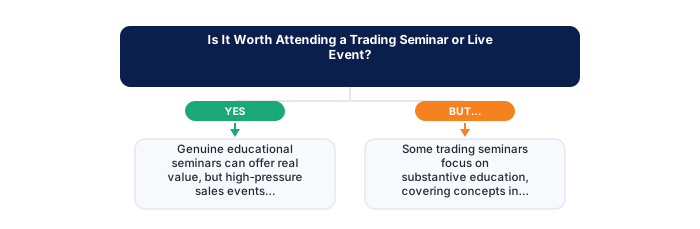
Genuine educational seminars can offer real value, but high-pressure sales events disguised as education, unfortunately common in this industry, warrant careful scepticism.
📋 ON THIS PAGE
- Genuine educational seminars versus disguised sales events
- Warning signs specific to live event formats
- The genuine value some events can genuinely offer
- How the room dynamic can pressure decisions unfairly
- Researching a specific event before attending
- A practical approach if you decide to attend anyway
1. Genuine educational seminars versus disguised sales events
Some trading seminars genuinely focus on substantive education, covering concepts in meaningful depth. Others are primarily structured as sales presentations for a subsequent paid course or mentorship programme, with the seminar itself functioning mainly as a marketing funnel rather than substantive standalone education.
It's worth checking a specific event's detailed agenda beforehand where available, rather than relying purely on promotional description, a genuinely educational event typically publishes specific topics and time allocations, while a sales-focused event's agenda often stays vague or heavily emphasises a single, prominently featured speaker.
| Signal | Genuine Education | Disguised Sales Event |
|---|---|---|
| Content focus | Process, risk, substantive skills | Lifestyle, urgency, upsells |
| Pricing pressure | None or minimal | Limited-time offers in the room |
| Speaker credentials | Verifiable | Vague or unverifiable |
2. Warning signs specific to live event formats
Specific warning signs at live events include heavy emphasis on lifestyle marketing over substantive content, high-pressure, time-limited offers presented only during the event itself, and content that builds toward an emotional crescendo specifically encouraging immediate, in-the-room purchasing decisions rather than considered, independent evaluation.
It's worth being especially wary of any event structure that deliberately limits your ability to leave or think independently during the pitch itself, physical or social barriers to simply walking away, extended sessions without natural breaks, are worth noticing as a deliberate design choice rather than incidental.
- FSCA-regulated broker verified at fsca.co.za
- Demo account tested for minimum 60 days
- Trading plan written: entry, exits, position sizing
- Risk per trade defined (1-2% of account)
- Backup internet connection tested for load shedding
- Tax implications understood
3. The genuine value some events can genuinely offer
Despite these concerns, some events do offer genuine value, networking opportunities with other traders, direct access to ask questions of experienced presenters, and sometimes substantive content delivery that, while perhaps available elsewhere too, benefits from the focused, dedicated attention an in-person or live virtual event format encourages.
It's worth being specific with yourself about which of these genuine benefits you're actually seeking before attending, if networking and community connection are your primary goal, a smaller, more focused meetup might deliver that value more efficiently than a large, marketing-heavy seminar.
4. How the room dynamic can pressure decisions unfairly
The collective energy and social dynamic of a live event, particularly one deliberately designed to build excitement, can create pressure toward decisions you might evaluate more cautiously in a calmer, more reflective setting, recognising this dynamic explicitly helps you maintain the kind of careful, independent evaluation even within this more emotionally charged environment.
It's worth recognising this specific psychological mechanism by name, since naming it, 'this is social proof and collective excitement being deliberately engineered,' helps create the kind of conscious distance that makes it easier to resist the pull in the actual moment.
| Item | Detail |
|---|---|
| Regulator | FSCA, fsca.co.za |
| Exchange control | SARB, resbank.co.za |
| Tax authority | SARS, sars.gov.za |
| JSE hours | 09:00-17:00 SAST Mon-Fri |
| Best forex session | 15:00-17:00 SAST |
| CGT annual exclusion | R50,000 (individuals) |
5. Researching a specific event before attending
Before attending any specific seminar, particularly a paid one, researching the organiser's broader reputation, checking for independent reviews from previous attendees, and understanding clearly what the event will actually cover, helps set realistic expectations and identify potential concerns before committing your time and, in some cases, money to attend.
6. A practical approach if you decide to attend anyway
If you do decide to attend a seminar that might include a sales component, deciding in advance, calmly and before the event, that you won't make any significant purchasing decision during the event itself, instead taking time afterward to evaluate any offer independently away from the room's particular dynamic, protects against the pressure while still allowing you to benefit from any genuine educational content presented.
Watch for high-pressure sales environments and upsell funnels.
Live trading events can offer genuine networking and useful content. Watch for high-pressure sales environments, particularly at free events which are often primarily upsell funnels.
★ Why It Matters
A specific tell worth watching for in the room itself: whether the structure includes a hard-sell pitch for a paid product partway through, genuine educational events tend to front-load actual content, while lead-generation events tend to front-load rapport-building before the pitch.
✕ Common mistakes
- Assuming a polished, professional presentation reflects genuine expertise. Production quality and substantive value aren't reliably correlated.
- Committing to expensive follow-up products under in-room pressure. A cooling-off period before any purchase decision is generally wise.
- Attending without checking the speaker's verifiable track record beforehand. A few minutes of research can clarify credibility before attending.
Key Takeaways
- Genuine educational seminars can offer value, but high-pressure sales events disguised as education warrant the same scepticism discussed elsewhere regarding scams.
- Genuine educational seminars can offer real value, but high-pressure sales events disguised as education, unfortunately common in this industry, warrant careful scepticism.
- Genuine educational seminars versus disguised sales events.
- Warning signs specific to live event formats.
- The genuine value some events can genuinely offer.
See also: What Are Common Trading Education Scams to Avoid? and Are Paid Trading Courses Worth It?.
Frequently asked follow-up questions
Are free trading seminars always a sales pitch?
Not always, though free events specifically are sometimes structured as marketing funnels for paid offerings; researching the specific organiser's reputation beforehand helps set appropriate expectations.
Is it rude to leave a seminar early if I'm uncomfortable with the sales pressure?
No, prioritising your own comfort and financial wellbeing over politeness in this specific context is entirely reasonable and advisable.
Can virtual webinars carry the same concerns as in-person seminars?
Yes, the same warning signs and evaluation approach apply equally to virtual events, which can employ similar pressure tactics despite the different format.
