i Short answer
Simple, honest framing around realistic expectations and genuine risk, without overselling potential results or downplaying the effort involved, helps friends understand your trading interest accurately.
📋 ON THIS PAGE
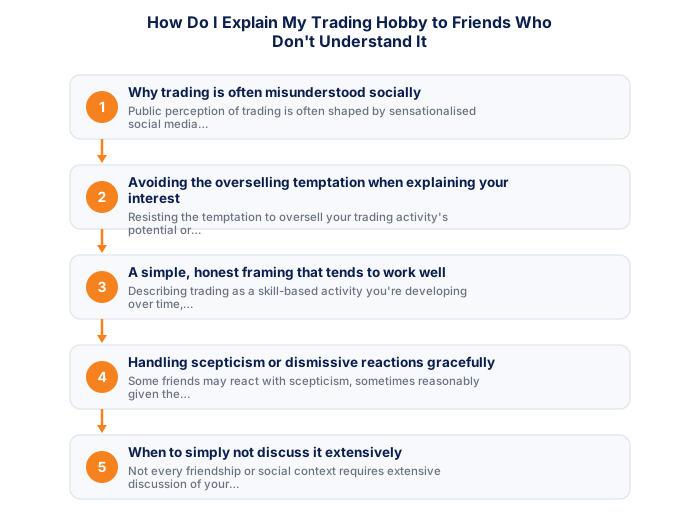
- Why trading is often misunderstood socially
- Avoiding the overselling temptation when explaining your interest
- A simple, honest framing that tends to work well
- Handling scepticism or dismissive reactions gracefully
- When to simply not discuss it extensively
- Connecting this to the broader hobby versus serious pursuit question
1. Why trading is often genuinely misunderstood socially
Public perception of trading is often shaped by sensationalised social media content showing only curated, exceptional results, creating a skewed, unrealistic impression that can make explaining your own honest, more measured interest and approach feel awkward against this backdrop.
It's worth accepting this misunderstanding as a genuine, common social reality rather than a personal frustration to overcome through better explanation alone, the skewed public impression comes from a much broader, more persistent pattern of sensationalised content than any single conversation can fully correct.
2. Avoiding the overselling temptation when explaining your interest
Resisting the temptation to oversell your trading activity's potential or current results, even subtly, helps set accurate expectations with friends, avoiding the kind of inflated impression that could later feel disappointing if your actual, honest results don't match this exaggerated framing.
It's worth noticing this temptation specifically in moments of excitement after a good trading result, sharing enthusiasm is natural, but framing a single good outcome as representative of your overall, longer-term results risks creating exactly the inflated impression this section is cautioning against.
- FSCA-regulated broker verified at fsca.co.za
- Demo account tested for minimum 60 days
- Trading plan written: entry, exits, position sizing
- Risk per trade defined (1-2% of account)
- Backup internet connection tested for load shedding
- Tax implications understood
3. A simple, honest framing that tends to work well
Describing trading as a skill-based activity you're developing over time, using money you've specifically allocated for this purpose, tends to provide a more accurate, relatable framing than either dramatically downplaying or overselling the activity's genuine nature and stakes.
It's worth practising this explanation in advance if social conversations about your trading tend to catch you off guard, having a simple, honest, ready explanation available removes the pressure to improvise a response in the moment, which is often when overselling or defensive minimising tends to creep in.
4. Handling scepticism or dismissive reactions gracefully
Some friends may react with scepticism, sometimes reasonably given the genuine prevalence of trading-related scams and unrealistic marketing, responding calmly, acknowledging this scepticism's reasonable basis while clarifying your own specific, measured approach, tends to be more productive than becoming defensive about this reasonable, understandable reaction.
It's worth remembering that a friend's scepticism, even if it feels frustrating in the moment, often comes from genuine care or from having encountered the more troubling side of trading marketing themselves, responding with patience rather than defensiveness tends to preserve the relationship considerably better than treating the scepticism as an attack.
| Item | Detail |
|---|---|
| Regulator | FSCA, fsca.co.za |
| Exchange control | SARB, resbank.co.za |
| Tax authority | SARS, sars.gov.za |
| JSE hours | 09:00-17:00 SAST Mon-Fri |
| Best forex session | 15:00-17:00 SAST |
| CGT annual exclusion | R50,000 (individuals) |
5. When to simply not discuss it extensively
Not every friendship or social context requires extensive discussion of your trading activity, choosing when and how much to share, similar to any other personal interest or hobby, remains entirely your own choice, and simply not making this a frequent topic of conversation is a perfectly reasonable option if you'd prefer to keep this activity more private.
It's worth being comfortable with a brief, low-key response, mentioning trading exists as one of your interests without elaborating extensively, when the conversation or relationship doesn't particularly call for deeper discussion, not every context needs or benefits from a full explanation of your approach and reasoning.
6. Connecting this to the broader hobby versus serious pursuit question
How you frame this activity to friends might naturally reflect which category genuinely describes your current relationship with trading, with a more casual hobby framing fitting naturally if that's where you currently sit.
Public perception of trading is often shaped by sensationalised content showing only curated wins. Describing trading honestly as a skill you're developing over time tends to land better.
★ Why It Matters
A framing that tends to land better than most: comparing your time commitment and risk approach to a hobby they already understand, like describing your monthly risk budget the way someone might describe a golf or hobby-photography equipment budget, rather than leading with potential profit.
✕ Common mistakes
- Comparing trading to gambling without addressing the distinction yourself. Explaining your risk management proactively helps frame the conversation.
- Overstating results to make the hobby sound more impressive. This sets an expectation that's hard to sustain honestly later.
- Avoiding the topic of risk and potential losses entirely. A balanced picture builds more credibility than a one-sided one.
Key Takeaways
- Simple, honest framing around realistic expectations and risk, without overselling potential results, helps friends genuinely understand your trading interest.
- Simple, honest framing around realistic expectations and genuine risk, without overselling potential results or downplaying the effort involved, helps friends understand your trading interest accurately.
- Why trading is often genuinely misunderstood socially.
- Avoiding the overselling temptation when explaining your interest.
- A simple, honest framing that tends to work well.
See also: How Do I Explain Trading Losses to My Family?.
Frequently asked follow-up questions
Should I share specific profit or loss figures with friends?
This is a personal choice; many traders prefer keeping specific financial figures private, similar to how many people don't discuss specific salary or investment figures generally.
What if a friend asks me to teach them or manage their trading?
This connects to broader legal considerations around trading on behalf of others, worth understanding before agreeing to this kind of request.
Is it normal to feel embarrassed discussing trading given its reputation?
This is an understandable reaction given how prevalent trading scams are. Honest, measured framing can help address this discomfort over time.
