i Short answer
App updates typically include security improvements, bug fixes, and sometimes new features, generally worth installing promptly given the security benefits.
Briefly reviewing what specifically changed remains a reasonable habit before updating.
📋 ON THIS PAGE
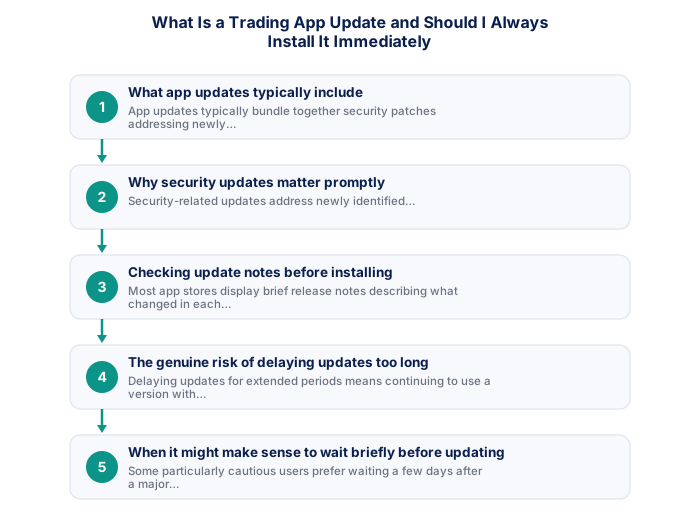
1. What app updates typically include
App updates typically bundle together security patches addressing newly discovered vulnerabilities, bug fixes resolving previously identified issues, and sometimes new features or interface improvements, all released together as a single update package rather than separate, individually-selectable components.
Building consistent trading results in South Africa requires applying disciplined principles across all aspects of the trading process. Many of the challenges South African traders face - from load shedding interruptions to rand volatility around political events - are manageable with the right preparation and risk framework. Approaching each session with a written plan, defined risk parameters, and clear criteria for entry and exit transforms trading from reactive to systematic.
2. Why security updates specifically matter promptly
Security-related updates address newly identified vulnerabilities that could potentially be exploited, making prompt installation particularly important for this specific category of update, given the genuine financial stakes trading accounts carry.
- Two-factor authentication enabled
- Unique password not shared with other sites
- Broker mobile app installed and tested
- Mobile data backup connection tested
- Price alerts set for active instruments
- Broker emergency number saved in phone
- Know how to close all positions in under 30 seconds
- Desktop: full charting, multi-monitor, all order types
- Mobile: real-time monitoring and load shedding backup
- Mobile: price alerts when away from desk
- Desktop: useless during load shedding without UPS
- Mobile: limited charting for detailed analysis
- Mobile: higher risk of fat-finger errors
- Full charting and analysis
- Best for trade entry
- Multi-monitor support
- More order types available
- Monitor and manage on the go
- Load shedding backup use
- Push price alerts
- Limited charting tools
3. Checking update notes before installing
Most app stores display brief release notes describing what changed in each specific update, worth a quick glance before installing to understand whether this update includes anything genuinely relevant to your own usage, even though most updates warrant prompt installation regardless of specific content.
| Feature | MT4 | MT5 |
|---|---|---|
| Broker availability | Very wide | Growing |
| EA library | Largest available | Smaller but growing |
| Timeframes | 9 built-in | 21 built-in |
| Asset classes | Forex and CFDs | Forex, CFDs, stocks |
| Mobile app | Good | More modern UI |
4. The genuine risk of delaying updates too long
Delaying updates for extended periods means continuing to use a version with known, already-identified vulnerabilities that the update specifically addresses, creating unnecessary, avoidable security exposure.
5. When it might make sense to wait briefly before updating
Some particularly cautious users prefer waiting a few days after a major update release, allowing time for any widespread issues to surface and be addressed, though this should generally be a brief delay rather than indefinite postponement, particularly for security-specific updates.
6. Setting up automatic updates for convenience
Most phones allow configuring automatic app updates, removing the need to manually check and install updates yourself, providing a convenient way to ensure you're generally running current, secure app versions without requiring ongoing manual attention.
Platform reliability during high-volatility events is a more important consideration than the breadth of analytical features for most retail traders. South African traders have an additional reliability concern that traders in stable electricity markets do not face: load shedding requires a tested mobile platform backup for managing open positions during power outages. Testing the mobile backup specifically, the ability to view positions, modify stops, and close trades, before going live with real capital is a practical step that traders outside South Africa simply do not need to consider. The best platform is ultimately the one you can use confidently under adverse conditions, not the one with the most features under ideal conditions. Confirming that your broker's mobile app functions correctly on your specific mobile device and 4G connection takes five minutes and could prevent a significant connectivity-related loss.
Feature updates can briefly be deferred while checking release notes.
Security updates should be installed immediately. Feature updates can briefly be deferred while you check release notes for breaking changes, especially for major version updates on your trading platform.
The technical requirements for trading effectively from South Africa include considerations that international trading guides do not address. Backup power for your router and a mobile data connection as secondary internet are operational necessities rather than optional upgrades given South Africa's load shedding reality. For serious traders, a dedicated device used only for trading, not shared with general browsing, gaming, or other applications, reduces the risk of browser clutter, malware exposure, and the context-switching that degrades trading focus during active sessions.
★ Why It Matters
Something worth doing as a specific habit: wait a day or two after a major update before installing, particularly around a broker's larger platform overhauls, letting other users surface any bugs first is a reasonable trade-off against the marginal security benefit of installing instantly.
✕ Common mistakes
- Ignoring update release notes entirely. A quick read reveals what's actually changed before installing.
- Assuming all updates carry equal urgency. Security patches generally warrant faster action than feature updates.
- Delaying security-specific updates for too long. These carry more urgency than general feature improvements.
Key Takeaways
- App updates typically include security improvements and bug fixes, generally worth installing promptly though with brief awareness of what specifically changed.
- App updates typically include security improvements, bug fixes, and sometimes new features, generally worth installing promptly given the security benefits.
- Briefly reviewing what specifically changed remains a reasonable habit before updating.
- What app updates typically include.
- Why security updates specifically matter promptly.
See also: How Do I Protect My Trading Account From Hackers? and What Trading Platforms Do South African Brokers Offer?.
Frequently asked follow-up questions
Can an update ever introduce new problems instead of fixing them?
Occasionally this happens with any software, though this is relatively uncommon for established, well-tested trading apps, and the security benefits generally outweigh this modest risk.
Should I update immediately even during an active trading session?
Many traders prefer updating outside active trading hours, to avoid any temporary disruption during a live, important moment.
Does my broker ever require a minimum app version to function?
Yes, some brokers do eventually require updating to a current version for continued functionality, making indefinite postponement potentially impractical regardless.
Can I roll back to a previous version if an update causes problems?
This is sometimes possible depending on your specific device and app store, though it's not always straightforward; contacting your broker's support team is often the more practical first step if genuine problems arise.
Do desktop trading platforms require updates as frequently as mobile apps?
Update frequency can vary by platform, though the same underlying security-update principle applies to both.
