i Short answer
Some brokers offer ZAR pairs against other emerging-market currencies, beyond the more commonly traded USD/ZAR.
Liquidity for these cross-emerging-market combinations is typically considerably lower than ZAR pairs against major currencies.
📋 ON THIS PAGE
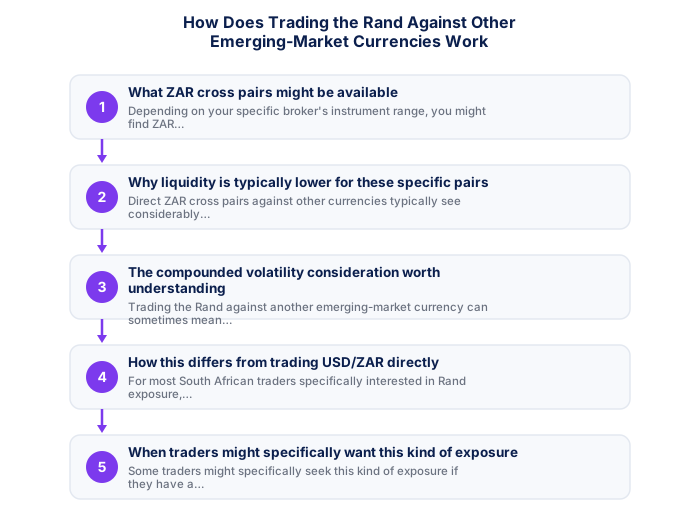
- What ZAR cross pairs might be available
- Why liquidity is typically lower for these specific pairs
- The compounded volatility consideration worth understanding
- How this differs from trading USD/ZAR directly
- When traders might specifically want this kind of exposure
- Practical considerations before trading these specific pairs
1. What ZAR cross pairs might be available
Depending on your specific broker's instrument range, you might find ZAR paired against other emerging-market currencies or sometimes against other major currencies beyond USD, such as ZAR against the British Pound or Euro directly, rather than only accessing this relationship indirectly through separate USD-based pairs.
It's worth checking your specific broker's instrument list directly for this category rather than assuming broad availability, since these less common cross pairs are considerably less universally offered than USD/ZAR itself, worth confirming before building any strategy around a specific combination.
2. Why liquidity is typically lower for these specific pairs
The large majority of global ZAR-related trading activity flows through USD/ZAR, given the Dollar's role as the dominant global reserve currency. Direct ZAR cross pairs against other currencies typically see considerably less trading volume, translating into wider spreads and reduced execution reliability, as with any lower-liquidity instrument.
It's worth checking actual, current spread figures for any specific ZAR cross pair you're considering, rather than assuming a modest premium over USD/ZAR, since the gap can sometimes be considerably wider than expected given how thin trading activity in these specific combinations genuinely is.
- SARB economic calendar checked for the week
- Next Eskom load shedding schedule reviewed
- GNU stability news reviewed
- Stats SA data releases noted
- Credit agency review dates checked
- US/global events that move EM risk noted
3. The compounded volatility consideration worth understanding
Trading the Rand against another emerging-market currency can sometimes mean compounding USD/ZAR's own elevated volatility with similar elevated volatility from the other emerging-market currency involved, potentially producing an even more volatile combined instrument than either currency's typical behaviour against a major currency like the Dollar alone.
It's worth calculating this compounded volatility concretely using a tool like the volatility calculator discussed elsewhere on this site, rather than assuming it simply adds proportionally, seeing the actual combined figure helps you calibrate position sizing appropriately for this genuinely elevated risk profile.
| Event | Frequency | ZAR impact | Source |
|---|---|---|---|
| SARB MPC | 6x per year | High | resbank.co.za |
| Budget Speech | Annual (February) | Very high | treasury.gov.za |
| Credit reviews | Annual each agency | Very high | Agency sites |
| Stats SA CPI | Monthly | Medium | statssa.gov.za |
| Eskom stage | As needed | Low-medium | eskomsepush.com |
- SA context provides genuine informational edge
- ZAR pairs accessible via FSCA brokers in ZAR accounts
- Rand volatility creates larger intraday ranges
- 6 SARB meetings/year create regular macro setups
- Higher geopolitical risk than G10 pairs
- Load shedding creates unique operational disruptions
- SA rand liquidity thinner than major G10 pairs
- SA-specific news requires constant local monitoring
4. How this differs from trading USD/ZAR directly
For most South African traders interested in Rand exposure, trading USD/ZAR directly generally offers more favourable liquidity and cost characteristics than seeking out these less common, lower-liquidity cross pairs, unless you have a specific, deliberate reason for wanting exposure to the Rand's relationship with that particular other currency.
It's worth being honest with yourself about whether a specific cross pair genuinely offers something USD/ZAR combined with a separate position doesn't, sometimes replicating a desired exposure through two more liquid, standard pairs achieves a similar analytical goal with better overall trading conditions.
5. When traders might specifically want this kind of exposure
Some traders might specifically seek this kind of exposure if they have a particular analytical view on the Rand's relative strength against a specific other emerging-market currency, rather than against the Dollar broadly, perhaps based on comparative economic analysis between South Africa and that particular other emerging economy.
It's worth articulating this specific analytical view clearly and explicitly before pursuing this kind of trade, if you can't precisely explain why you specifically want Rand exposure against this particular currency rather than the Dollar, that's worth treating as a signal to reconsider whether this less liquid pair genuinely suits your actual trading thesis.
6. Practical considerations before trading these specific pairs
Before trading any less common ZAR cross pair, checking your broker's actual spread and liquidity for that particular combination, rather than assuming similar conditions to the more commonly traded USD/ZAR, and applying volatility-aware position sizing given the potentially compounded volatility above, supports more informed, appropriately cautious engagement with these less common instruments.
ZAR crosses against other emerging market currencies typically carry wider spreads than major Dollar pairs given lower overall volume, and both currencies can move together during EM-wide risk events.
★ Why It Matters
Worth checking before trading these: liquidity for ZAR crosses against other emerging-market currencies thins out noticeably outside both currencies' overlapping local trading hours, leading to wider spreads than the headline quote might suggest at other times.
✕ Common mistakes
- Assuming spreads on EM-to-EM crosses match major currency pairs. These crosses typically carry wider spreads given lower overall volume.
- Ignoring correlation between the Rand and other EM currencies during risk-off periods. These currencies often move together during broad global risk shifts.
- Not checking specific availability, since not all brokers offer these crosses. Coverage varies meaningfully between providers.
Key Takeaways
- Some brokers offer ZAR pairs against other emerging-market currencies, though liquidity is typically lower than against major currencies like USD or EUR.
- Some brokers offer ZAR pairs against other emerging-market currencies, beyond the more commonly traded USD/ZAR.
- Liquidity for these cross-emerging-market combinations is typically considerably lower than ZAR pairs against major currencies.
- What ZAR cross pairs might be available.
- Why liquidity is typically lower for these specific pairs.
Frequently asked follow-up questions
Are ZAR cross pairs against major currencies like EUR more liquid than against other emerging markets?
Generally yes, ZAR against established major currencies tends to show somewhat better liquidity than ZAR against other emerging-market currencies, though still typically less than USD/ZAR.
Should beginners avoid these less common ZAR pairs?
Given the liquidity and compounded volatility considerations above, many beginners find USD/ZAR or other major pairs a more accessible starting point.
Does my broker need special licensing to offer these specific pairs?
The same FSCA broker licensing requirements apply regardless of which currency pairs a broker chooses to offer.
