i Short answer
Trading with money you genuinely can't afford to lose creates fundamentally unhealthy psychological pressure that undermines sound decision-making.
Reducing position size position size, pausing trading, or addressing the underlying capital source is the appropriate response.
📋 ON THIS PAGE
- Why this specific situation is different from normal trading stress
- The decision-making impact this pressure creates
- Honestly assessing whether this applies to your situation
- Practical steps if you recognise this pattern in yourself
- Addressing the underlying capital source directly
- When this situation warrants broader support beyond trading adjustments
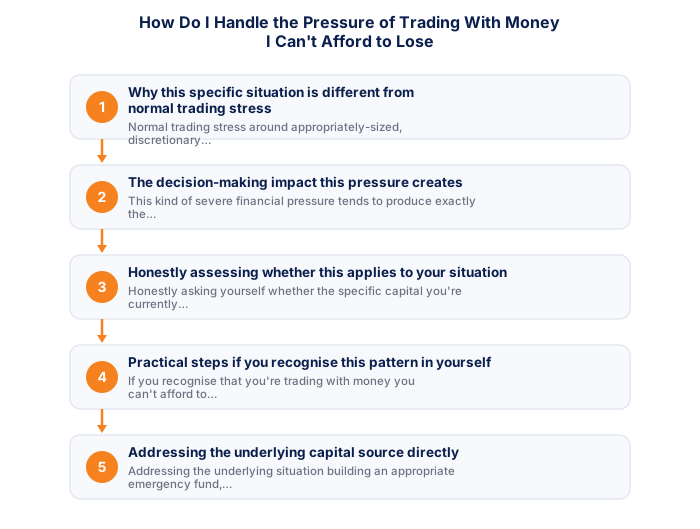
1. Why this specific situation is genuinely different from normal trading stress
Normal trading stress around appropriately-sized, discretionary capital differs meaningfully from the more severe, qualitatively different pressure of trading with money you need for essential expenses or financial obligations.
It's worth naming this distinction clearly for yourself if you're uncertain which category actually describes your situation, normal trading stress involves genuine but manageable discomfort around risking money you could survive losing, while this more severe pressure involves genuine fear about meeting essential obligations, a qualitatively different and more serious situation deserving a correspondingly different response.
2. The decision-making impact this pressure creates
This kind of severe financial pressure tends to produce exactly the desperate, undisciplined decision-making patterns behind revenge trading, often making the underlying financial situation worse rather than better.
It's worth recognising this pattern as a predictable, well-understood psychological response rather than a personal failing specific to you, severe financial pressure genuinely does impair sound decision-making for most people, which is exactly why addressing the underlying capital situation matters more than simply trying to trade more carefully through it.
- FSCA-regulated broker verified at fsca.co.za
- Demo account tested for minimum 60 days
- Trading plan written: entry, exits, position sizing
- Risk per trade defined (1-2% of account)
- Backup internet connection tested for load shedding
- Tax implications understood
3. Honestly assessing whether this applies to your situation
Honestly asking yourself whether the specific capital you're currently trading with represents genuinely discretionary funds, or whether it's actually money needed for essential expenses, debt obligations, or financial security, provides an important, sometimes uncomfortable but necessary check.
It's worth answering this question with genuine, uncomfortable honesty rather than a reassuring but inaccurate answer, if there's real uncertainty about whether this capital is genuinely discretionary, that uncertainty itself is worth treating as a warning sign worth addressing directly rather than dismissing.
4. Practical steps if you recognise this pattern in yourself
If you recognise that you're genuinely trading with money you can't afford to lose, the most direct, appropriate response involves significantly reducing position size, pausing trading entirely until your financial situation changes, or withdrawing remaining funds to address more pressing financial needs first.
It's worth acting on this recognition promptly rather than delaying, the longer genuinely non-discretionary capital remains exposed to trading risk, the greater the cumulative chance of a loss that creates real, serious financial hardship, worth addressing this as soon as you honestly recognise the pattern rather than waiting for a convenient moment.
| Item | Detail |
|---|---|
| Regulator | FSCA, fsca.co.za |
| Exchange control | SARB, resbank.co.za |
| Tax authority | SARS, sars.gov.za |
| JSE hours | 09:00-17:00 SAST Mon-Fri |
| Best forex session | 15:00-17:00 SAST |
| CGT annual exclusion | R50,000 (individuals) |
5. Addressing the underlying capital source directly
Addressing the underlying situation, building an appropriate emergency fund, and only allocating genuinely discretionary funds to trading going forward, represents the more sustainable, longer-term solution beyond simply managing the immediate pressure.
It's worth treating this as the genuine, root-cause solution rather than a secondary consideration, no amount of improved trading discipline fully resolves the underlying problem of trading with capital you can't actually afford to risk, addressing that capital source directly is what actually removes the pressure at its source.
6. When this situation warrants broader support beyond trading adjustments
If this situation reflects broader financial distress beyond simply trading capital allocation, seeking support from a financial advisor or counsellor regarding your overall financial situation, separate from the trading-specific adjustments above, may be a reasonable, additional step.
The mechanism is loss aversion: the two outcomes are not weighted equally, even when the amounts are.
Trading with money you need creates pressure that compromises judgement.
Trading with discretionary capital supports calmer decisions. Recognising you're trading with money you can't afford to lose calls for an immediate, direct reassessment.
★ Why It Matters
Worth being honest with yourself about a specific tell: if you find yourself checking this account noticeably more often than any other financial account you hold, that frequency gap is usually a more reliable signal of inappropriate risk than your own stated comfort level.
✕ Common mistakes
- Continuing to trade despite recognising the financial pressure. This pressure consistently degrades decision quality.
- Reducing position size as the only response, without addressing the root cause. Sometimes pausing entirely is the more honest response.
- Ignoring how often you check this account compared to others. A noticeable frequency gap is a useful, objective warning sign.
- Assuming the discomfort will fade once a winning trade occurs. The underlying mismatch between capital and risk tolerance doesn't resolve itself this way.
Key Takeaways
- Trading with money you genuinely can't afford to lose creates fundamentally unhealthy pressure, with reducing position size or pausing being the sound response.
- Trading with money you genuinely can't afford to lose creates fundamentally unhealthy psychological pressure that undermines sound decision-making.
- Reducing position size, pausing trading, or addressing the underlying capital source is the appropriate response.
- Why this specific situation is genuinely different from normal trading stress.
- The decision-making impact this pressure creates.
See also: What Is the Difference Between Speculative and Investment Capital? and Should I Keep a Cash Reserve Separate From My Trading Account? and What Is Outcome Bias and How Does It Distort Self-Assessment?.
Frequently asked follow-up questions
Is it ever acceptable to trade with money meant for an upcoming bill, planning to replace it before it's due?
This is generally strongly discouraged given the genuine risk of loss and the severe pressure this kind of arrangement creates.
Should I withdraw all my trading funds immediately if I recognise this pattern?
This is a reasonable, often appropriate response, particularly if the funds are needed for genuinely pressing financial obligations.
Can reducing position size alone resolve this underlying pressure?
This can help reduce immediate risk, though fully addressing the underlying situation provides a more complete, sustainable resolution.
Does this situation ever resolve itself through a lucky winning streak?
Relying on this hope reflects exactly the kind of desperate thinking that tends to produce worse outcomes rather than a genuine, reliable solution.
Is it normal to feel ashamed about being in this situation?
This is an understandable reaction, though approaching the situation practically and without excessive self-judgment, supports more constructive next steps than shame alone.
